
From Corsair
“Upgrade your setup with this 14.5″ display featuring a 2560×720 resolution. Mount it anywhere, with USB-C and HDMI support for versatile use.”
What have i bought now?
I’ve had my eye on smart rings for a while. The Oura was the one that caught my attention first, and I even looked at a few of the cheaper import versions that claimed to offer similar features. But when Samsung finally released their take on the idea, I didn’t hesitate. As much as I’d love to pretend this was a carefully reasoned comparison, the truth is simple – I’m a bit of a Samsung fanboy, and the Galaxy Ring just made sense for me.
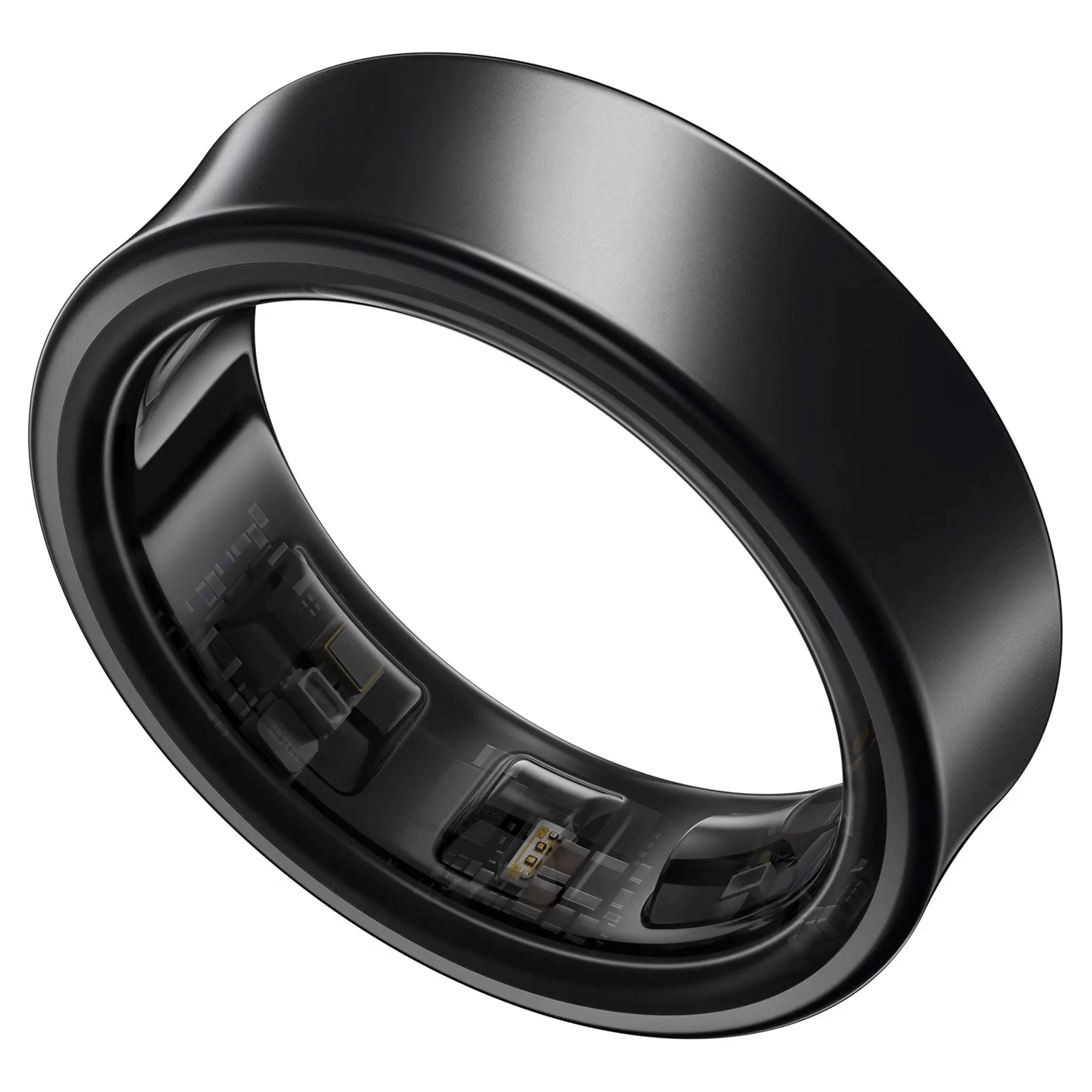
The Samsung Galaxy Ring is a titanium smart ring built for 24/7 health and fitness tracking. It weighs between 2.3g and 3.0g depending on size, with a depth of 7.0mm and a width of 2.6mm, making it one of the lightest and most discreet wearables on the market.
It’s water resistant to 100 metres (10ATM) and rated IP68, so it’s perfectly fine for swimming, showering, and day-to-day wear. It connects via Bluetooth 5.4 and charges through a small cradle built into a compact charging case. The case doubles as a power bank and holds enough charge for two full ring top-ups before you need to plug it in again.
The ring works through the Samsung Health app on compatible Galaxy smartphones running Android 11 or later, tracking heart rate, sleep, steps, body temperature, and cycle data. It also syncs seamlessly with other Samsung devices, including Galaxy Watches.
Why did I choose this over other brands?
As I mentioned, I’d been looking at the Oura for ages. I liked the idea of a smart ring that could handle all the tracking I wanted without needing to wear a watch to bed. The cheaper options looked tempting, but reliability and app support were always questionable. When Samsung announced the Galaxy Ring, it felt like the obvious choice – especially given how much of my day-to-day setup already revolves around the Samsung ecosystem.
The sizing kit was a great touch. Samsung sends a set of test rings before purchase so you can find the perfect fit, which saved me the hassle of guessing or having to go try them on somewhere.
What really made the difference was how well it integrated with what I already had. Since I use a Galaxy Watch daily, having both devices sync and giving me the choice to track steps and sleep from either the ring or the watch was exactly what I wanted.
Design, build and first impresssions
The Galaxy Ring is understated, sleek, and surprisingly premium. Inside the box you get the ring, a charging case, and a charging cradle built into the case – but oddly, no USB cable. The charging case has its own internal battery, so you can charge the ring twice while travelling without plugging it in, which I found really handy.
The fit is brilliant. Within a couple of days I stopped noticing it was even there. It’s lightweight, smooth, and doesn’t catch on anything, while the titanium construction gives it a reassuringly solid feel without any bulk.
Pairing was effortless through the Samsung Wearable app. Even with my Galaxy Watch already connected, the phone handled both perfectly. The setup process lets you choose which device collects certain data – the ring, the watch, or both – and once configured, it just works.
There aren’t many settings you can tweak directly, but that’s part of its charm. The whole idea is simplicity. It just runs quietly in the background, collecting data and feeding it into Samsung Health.

What about the background software?
The Samsung Health app is where all the information lives, and for the most part it does a great job. Sleep tracking was the main reason I bought the ring, and it’s genuinely impressive. The data feels accurate, detailed, and consistent with what I used to get from my Galaxy Watch.
Temperature and step tracking were also spot on, and the daily summaries are genuinely useful – especially the readiness and rest metrics that help you gauge how well you’ve recovered overnight.
The only part that frustrated me a little was the charging case. It’s small enough to fit anywhere, which is great for travel, but I lost it more times than I care to admit. I always found it again eventually, but it’s the one bit of the design that feels like it could be improved. If you do buy a spare, make sure it matches the size of your ring – each case only fits its specific ring size.
If Samsung could make the next version charge wirelessly without the case, it would be close to perfect.
Overall ratings and verdict
For me, the Galaxy Ring was a genuine game changer. It gave me all the data I wanted – sleep, steps, heart rate, and temperature – without needing to wear a watch 24/7 or worry about battery life every night. It’s comfortable, discreet, and easy to live with.
The setup is simple, the tracking reliable, and the integration with Samsung Health seamless. For travel or daily use, it’s an elegant and genuinely practical bit of tech that becomes invisible once you’ve worn it for a few days.
14 Month rage follow up
After the first few months, things started to change. Around the six-month mark I noticed the battery life beginning to drop off. It went from lasting a week to just a day, and by the time I hit a year, it barely made it four hours on a full charge.
I sent it off to Samsung, and it came back with a note saying the problem was the charging case, not the ring. What followed was two months of emails and calls with customer service before I finally received a 90% refund. From what I’ve seen online, I’m far from the only one who’s had this issue.
It’s disappointing because when it works, the Galaxy Ring is fantastic. The concept is solid, the comfort and tracking are great, but the long-term reliability just isn’t there yet. For the first six months it’s easily a five-star product, but beyond that, it drops sharply. If Samsung can fix the battery and case issues in the next version, they’ll have something truly special.
Where to buy
Not an affiliate link
Samsung Store